From the file
Field notes: the quiet hour before the CAT desk phone rings
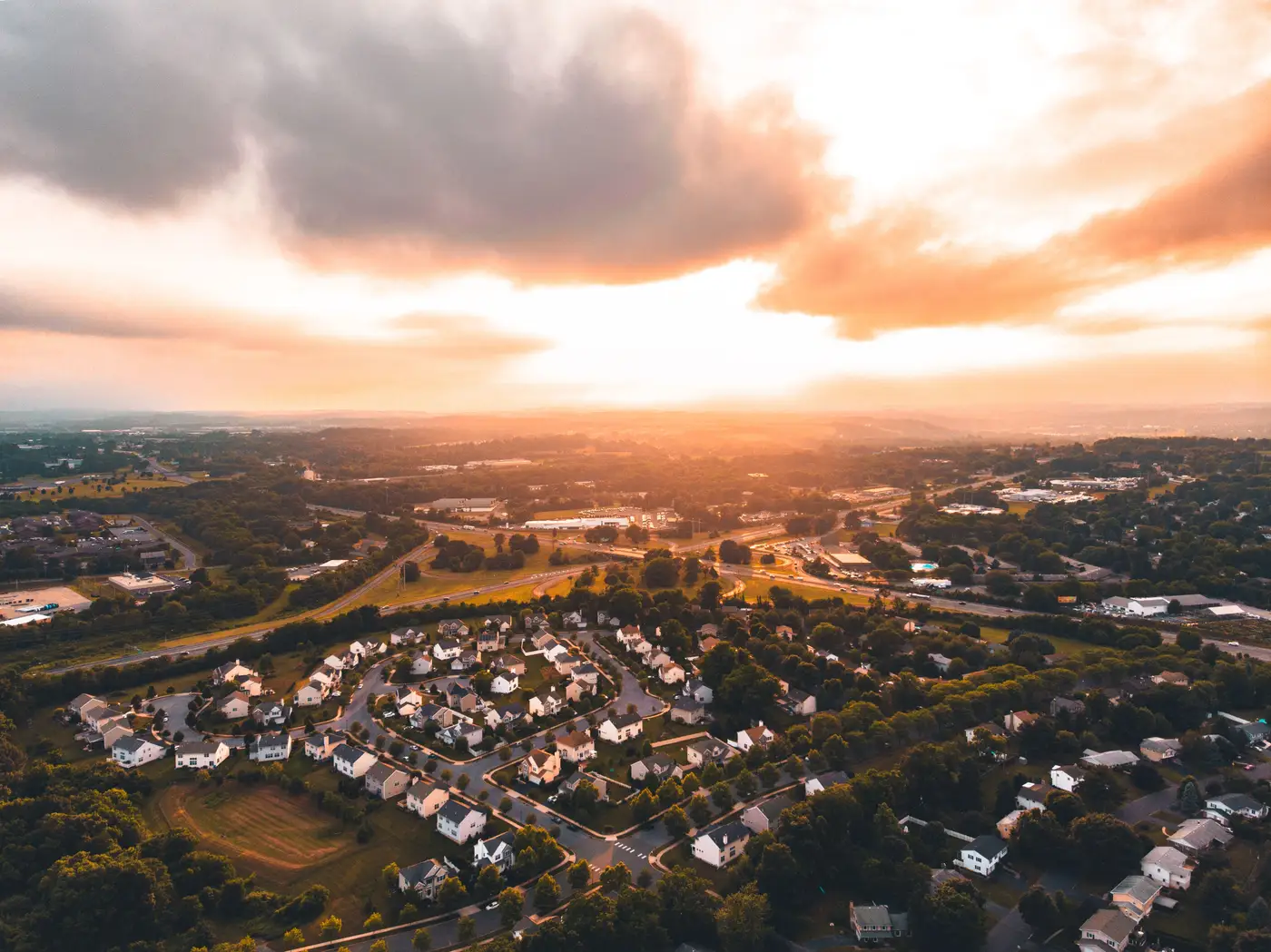
There's a specific hour that CAT desk people know and nobody else does. The storm's cleared out by 2 or 3 a.m., radar's gone quiet, and the queue is still empty. The damage has already happened; nobody's called it in yet. People are asleep, or awake and staring at their roof in the dark deciding it can wait until morning, or dealing with a tree on the car and haven't gotten to the shingles. That gap, roughly dawn to whenever the first wave of calls lands, is the only stretch of the whole event where you get to look at the swath before it's a queue.
Most desks don't use it. They use it to refill coffee and brace. By the time the first adjuster clocks in, the phone's already ringing with the loudest callers, the ones who called their agent at 6:45 because they're anxious or retired or just efficient. None of that tells you where the damage sits. It tells you who's awake early.
I've sat enough of these mornings to notice the pattern repeats. The first fifty calls skew toward two groups: people with minor, visible damage who are rattled and want someone out today, and people who've been through this before and know to call first regardless of severity. The people with the actual structural hits, the torn-off ridge cap, the hole punched through decking, often call later. Sometimes a lot later, because they're dealing with water intrusion inside the house and the roof is the last thing on their list once it's already failed.
So if you dispatch off the call order, you're dispatching off anxiety and experience, not off damage. That's the thing nobody says out loud at the morning huddle, though anyone who's worked a few seasons on a CAT desk knows it. It's just how the desk has always run, because until recently there wasn't a faster way to know what the swath looked like before the queue filled in around it.
What's changed the last few storms is less about the storm and more about what shows up on your screen before 7 a.m. Post-event flights over a hail track aren't new, but getting them processed and readable the same morning, address by address, with the bruising and the missing shingles and the lifted caps already flagged, used to take days. Days you'd spend sending adjusters out on a first-call-first-served basis and then re-routing them once the real picture came in, which is its own kind of expensive. Reshuffling a dispatch schedule two days into an event costs more than most people account for when they're building the CAT budget.
The morning-after window matters because it's the one point in the whole event where the information and the decision haven't diverged yet. Once the first batch of adjusters is in trucks, you're managing a plan. Before that, you're still making one. If you can look at the swath itself, not the call log, while you're still in the planning stage, the whole week downstream runs differently. You send people to the roofs that are torn up first, and you send the two-person team with the drone to the cluster of properties where caps are missing and a tarp crew needs to beat the next rain.
This is the part of the job that doesn't make it into the trade press. Nobody writes about the 6 a.m. huddle where someone pulls up a flagged image set and says "start here, not there." But it's the difference between a triage queue built on sequence and one built on the shape of the storm. We built the memo format Hail & Wind Damage runs on to put that swath-wide picture in front of the desk before the first truck leaves the lot.
If your morning huddle still runs on call order, it might be worth seeing what the swath looks like before anyone picks up a phone.