From the file
Mechanical damage vs. hail damage: how roof inspectors tell them apart
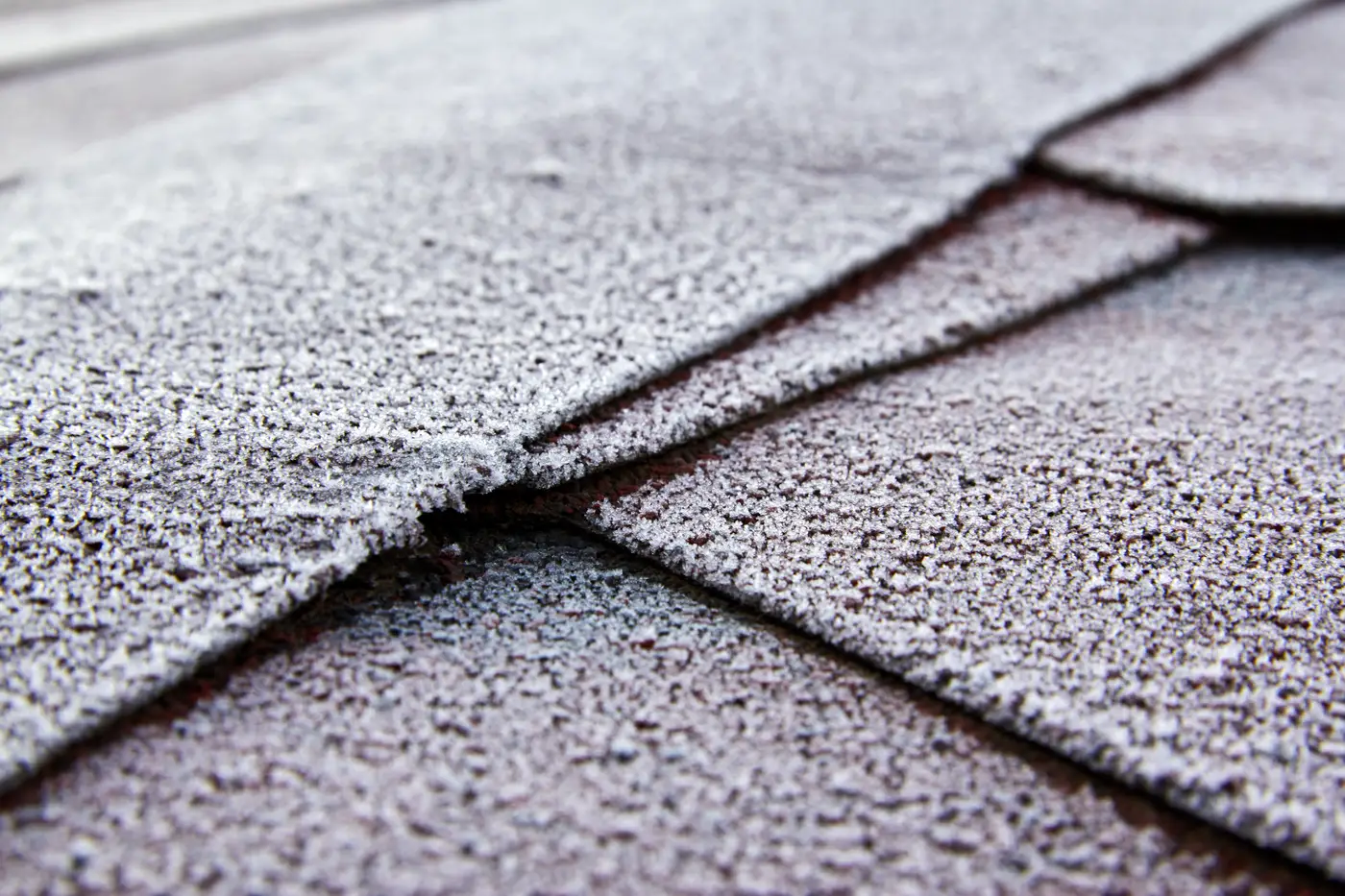
Every cat event brings a second wave of claims that have nothing to do with the storm. A homeowner notices granule loss on a south-facing slope and assumes hail. A contractor walks a roof for an unrelated reason and leaves boot-shaped bruises that get reported as impact marks two weeks later. Desk adjusters who triage a storm swath need to tell the difference fast, and the tells are more consistent than most training materials make them sound.
Hail bruising versus wear, rust, and foot traffic
True hail impact leaves a circular or oval bruise with a soft center, granules displaced outward from the point of contact, and no preferred direction. Size varies with the hailstone, but within a single event the impacts on a given slope tend to cluster in a narrow size range, because the stones that hit that slope were falling at roughly the same time in roughly the same size distribution.
Mechanical damage reads differently once you know what to check. Foot traffic bruising tracks a path, usually toward a vent stack, satellite mount, or chimney, because that's where a tech walked. Pressure-washing damage strips granules in streaks that follow the spray pattern. Age-related mat exposure shows up as diffuse thinning across the whole slope, and it tends to be worst on the slope that gets the most sun regardless of which way the storm came from. Old repair patches have a visible edge and mismatched granule color that a trained eye catches on a single frame.
The detail that trips up a quick desk review is blistering. Thermal blistering looks like a raised bump and can be mistaken for hail swelling at a glance, but it has no granule loss at the center and no consistent sizing across the slope. It's a manufacturing or ventilation issue, not a storm event, and it shows up on roofs that were nowhere near the hail core.
What corroborates a real hail or wind claim
A single damaged shingle rarely settles anything on its own. What moves a claim from "disputed" to "confirmed" is collateral evidence that's harder to fake or mistake: soft-metal dents on gutters, downspouts, and roof vents; dented AC fin coils facing the storm's direction of travel; cracked or chipped skylight domes; and displaced ridge caps on the windward side consistent with the storm's recorded wind direction.
Wind damage has its own directional logic that mechanical damage doesn't share. Shingles lift and tear on the side of the roof the wind hit, and the tear pattern runs with the wind. A roof with missing shingles on the leeward side and none on the windward side is a mismatch worth flagging for a closer look before a crew is dispatched, because it doesn't match how wind moves shingles in that kind of event.
None of this requires guesswork if the imagery exists before the first truck rolls. Post-event aerial passes across the swath, read against the storm's recorded hail size and wind track, let a desk team flag per-address signs of bruising, missing shingles, and displaced ridge caps the morning after the event, which is the premise behind what we've built at Hail & Wind Damage: a numbered memo built from the storm footprint, not from whichever claims happened to call in first.
That distinction matters most at the triage stage, before field crews are committed to addresses that turn out to be a reroofing job with pressure-washing damage mistaken for hail. Sorting the swath against the storm's own footprint before dispatch is the cheapest place to catch a mismatch, and it's the stage most queues skip.
If your queue is forming before the adjusters are, see what a morning-after memo for your swath looks like.