From the file
What is a soft metal test, and why hail inspectors check it first
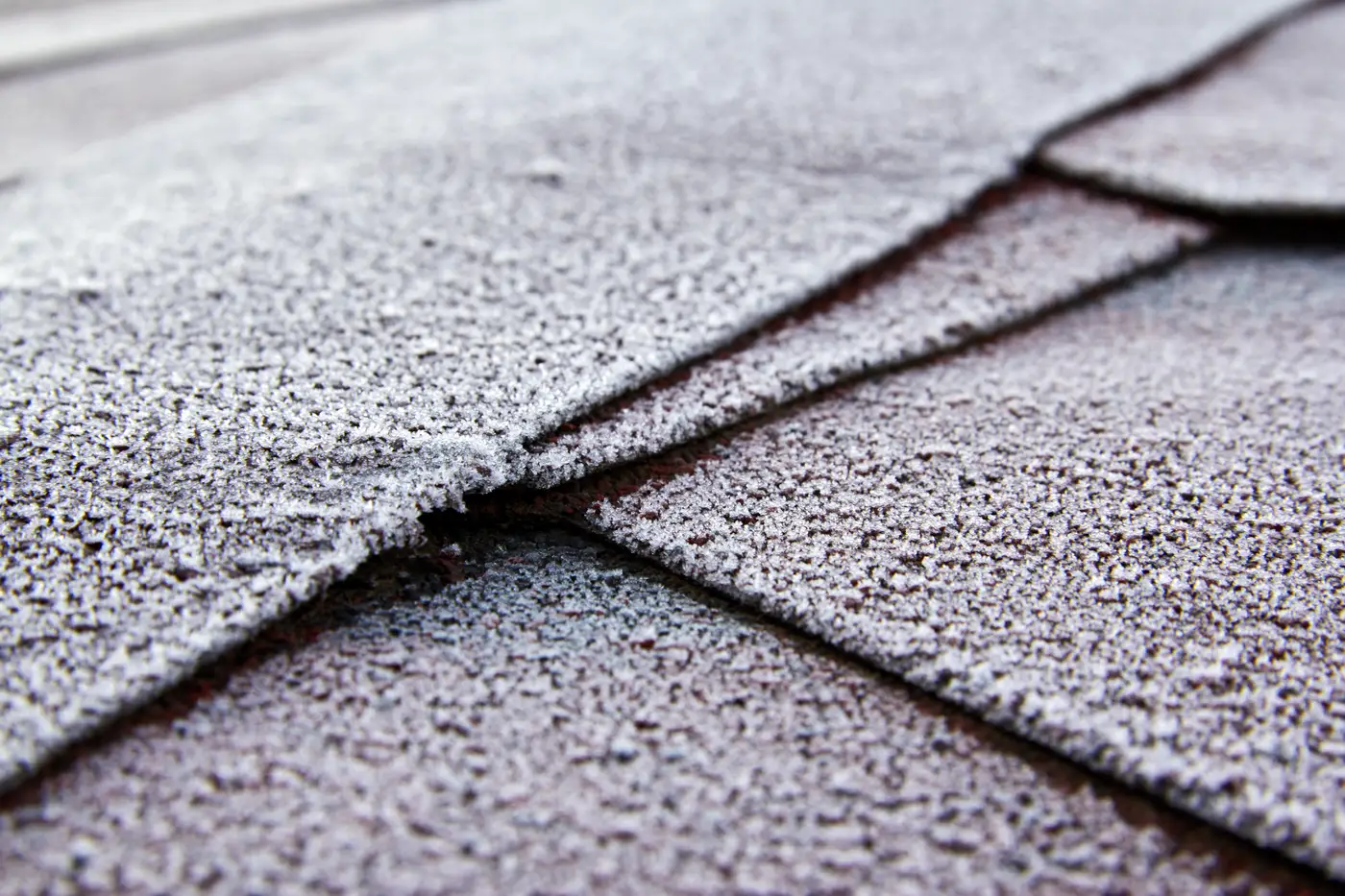
If you've spent any time on a roof after a hailstorm, you already know the drill doesn't start with shingles. It starts with gutters, downspouts, roof vents, and the AC condenser. That's the soft metal test, and there's a reason it comes before anyone climbs to a test square.
Why soft metal goes first
Shingles are the least reliable material to judge on their own. Granule loss, blistering, and mechanical wear from foot traffic or old age all mimic hail bruising on asphalt, closely enough that two inspectors can look at the same slope and disagree. A soft metal test sidesteps that argument by checking materials that don't have a wear pattern to confuse with impact damage. Aluminum gutters, galvanized vents, and thin-gauge flashing either show a dent consistent with hail or they don't. There's no gray zone of "is that granule loss or impact" to argue about at the kitchen table.
Most field adjusters treat soft metal as the tiebreaker. If the gutters and vents show no hail hits, that's a strong signal the roof claim needs a second look, regardless of what the homeowner points to on the shingles. If soft metal is dented consistent with the reported hail size, the inspector has grounds to move to the test square with some confidence the storm actually reached that structure.
Gutter and vent hail check
The gutter and vent hail check is usually the first five minutes on site. Inspectors walk the perimeter looking at gutter faces, especially on the storm-facing side of the house, and check downspout elbows where metal is thinnest and dents easily. Roof vents, especially the plastic-collared metal ones, get the same look. A turtle vent with a cluster of fresh dents on its leading edge is about as close to a signed confession as hail damage gets.
Inspectors check whether the dent pattern matches the reported hail size and direction, and whether the metal shows a consistent, randomly scattered pattern rather than the straight-line marks you get from a ladder, a dropped tool, or a pressure washer wand. Hail dents cluster and scatter. Tool marks don't.
AC fin damage inspection
The AC condenser is the quiet star of a soft metal test. Those aluminum fins are about as soft as exterior metal gets, so they register even marginal hail, and they sit low enough that an inspector can check them from the ground without a ladder. A fin field with bent, flattened ridges on the storm-facing side is hard evidence that hail reached the property at a size worth logging. A condenser with fins still sharp and uniform is a strong argument the storm either missed the house or the stones were too small to matter structurally.
AC fin damage inspection also doubles as a quick calibration tool. If the fins on ten houses in a row all show the same dent pattern and depth, an adjuster has a rough read on hail size across that stretch of street before ever opening a ladder.
Soft metal versus the shingle test square
A shingle test square comes second for a reason: it's slower, it requires roof access, and it carries more interpretation risk. A 10x10 test square means climbing, marking off the area, and counting hits one by one, separating hail bruising from mechanical wear, prior repairs, or manufacturing defects. Soft metal skips most of that interpretation. It's a faster, lower-risk first pass that tells the inspector whether the roof visit is worth the ladder time at all.
That ordering, soft metal first, test square second, is a triage call made at the property level. The same logic scales up to the whole event. A morning-after read of the swath that flags which addresses show roof-level signs of a hit lets a desk prioritize which stops get an adjuster first, instead of sending crews door to door in storm order, which is the kind of memo our landing page describes.
If you're triaging a claims queue before trucks roll, it's worth seeing what that looks like for your event.